The Basics
Authors
the distribution of LENR publications per author
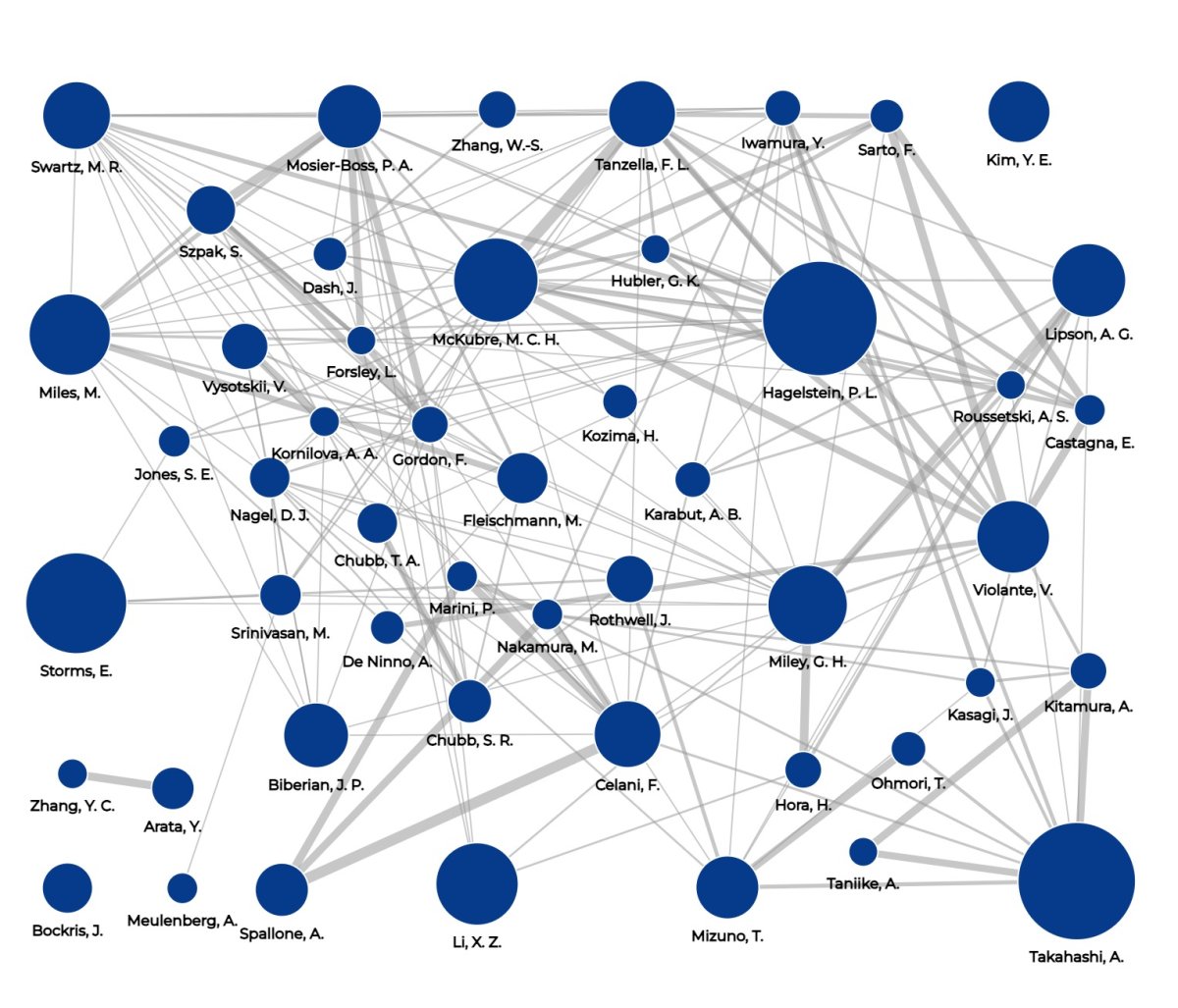
A descriptive analytics site of the LENR Corpus offers the distribution of LENR publications per author, along with co-authorship relationships. The Circles in the picture below correspond to an author. The circle's size denotes the number of publications. Co-authorship is indicated by the connections between the circles. The thickness of the connections signifies the quantity of papers co-authored. At the site one can click on each circle to see the articles written. The graph at the site is dynamical; one by dragging may rearrange the positions of the authors in the field.
AUTHORS
Leading Researchers
Historically there are many prolific and/or well associated authors in the field of LENR.
A good example of some prominent researchers are the following:
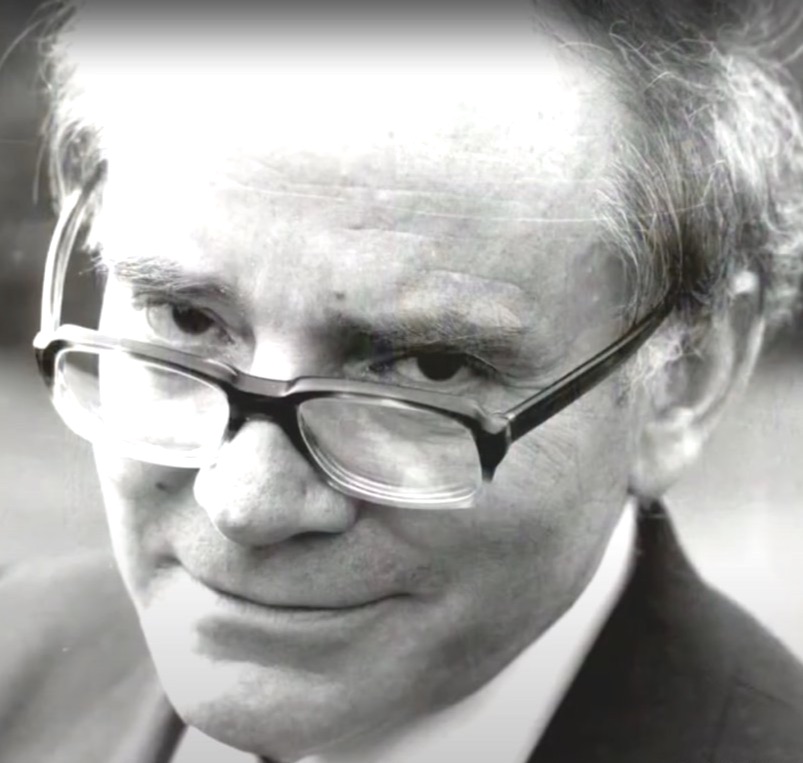
Prof. Martin Fleischmann
ElectrochemistMember of the Royal Academy of Sciences, England. Anounced together with Stanley Pons LENR first in 1989 as 'Cold Fusion'. He and Pons are the leading pioneers in the field.
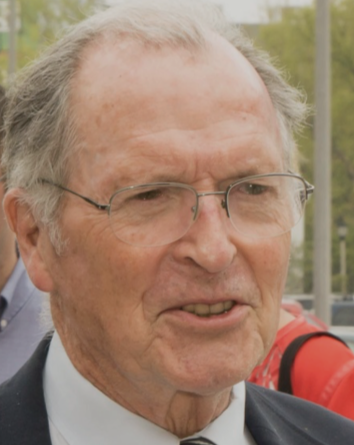
Prof. George H. Miley
PhysicistDr. George Miley, professor emeritus at the University of Illinois. He devoted his career to finding breakthroughs in fusion research. He developed thin film electrodes that produced excess heat and emitted charged particles.
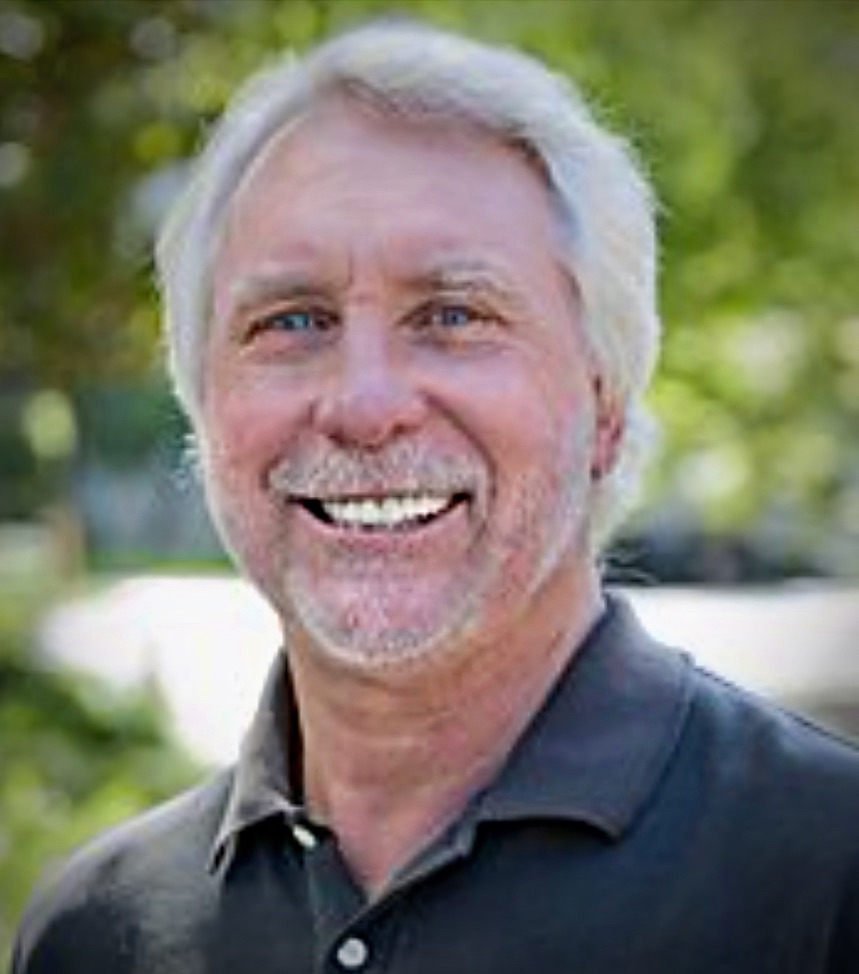
Dr. Michael McKubre
ElectrochemistFormer Director of Energy Research Centre SRI International. Experimentally proved LENR efficient and replicable according to saturation, density and flux of hydrogen. He thus significantly contributed to the understanding of excess heat and helium production in LENR.
Prof. Peter L. Hagelstein
Theoretical Physicist MITAssociate Professor of Electrical Engineering and Computer Science (EECS). He is one of the most prolific and succesful theorists of LENR. He Developed theories/models to explain LENR and mentored graduate students.
AUTHORS
Leading Writers
There are many erudite and learned writers on the subject of LENR.
Some of the most prominent authors are:
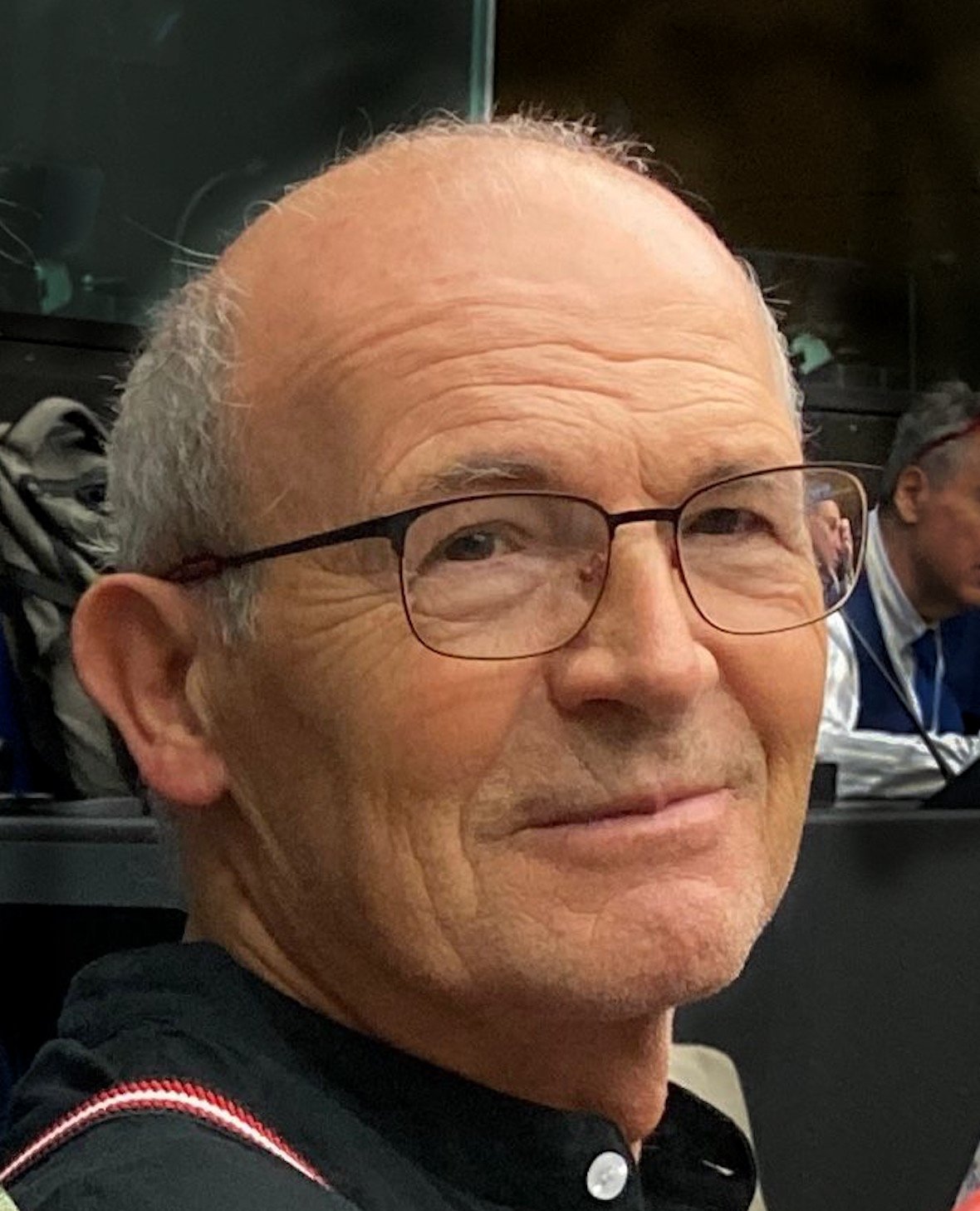
Dr. George Egely
Mechanical Engineer and InventorHe in 1996 started his experimental and theoretical work in the field of energetics aiming at the discovery of environmental friendly, renewable energy sources. Wrote many books on alternative science subjects and three series of informative, groundbreaking articles on LENR. He also developed working prototypes. His work includes exploring different methods and materials to achieve reproducible results. Egely's efforts have been significant in pushing the boundaries of LENR researchand contributing to the broader scientific community's knowledge in this area.
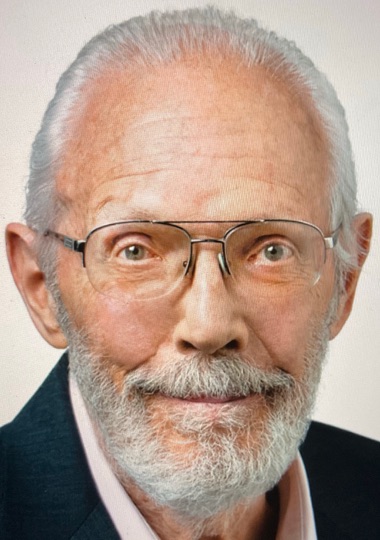
Dr. Edmund Storms
ElectrochemistOne of the most erudite writers on LENR. He wrote two textbooks on LENR and numerous articles on his Hydroton theory of LENR. He documented extensive empirical evidence for LENR, including anomalous heat and transmutations. Devoted to the explanation of LENR he introduced the concept of the NAE and NAS: the sites and structure of localized LENR activity.
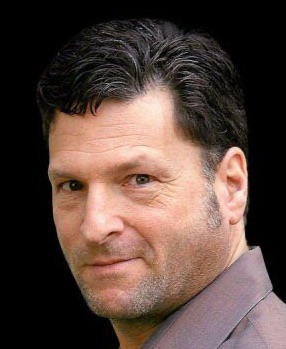
Steven B. Krivit
Science WriterAuthor, editor, publisher, filmmaker, and international speaker who specialized in low-energy nuclear reaction (LENR) research since 2000. He authored a most informative three-book series about LENR titeld: Eplorations in Nuclear Research. He is webmaster of one of the most informative sites on LENR: New Energy Times.
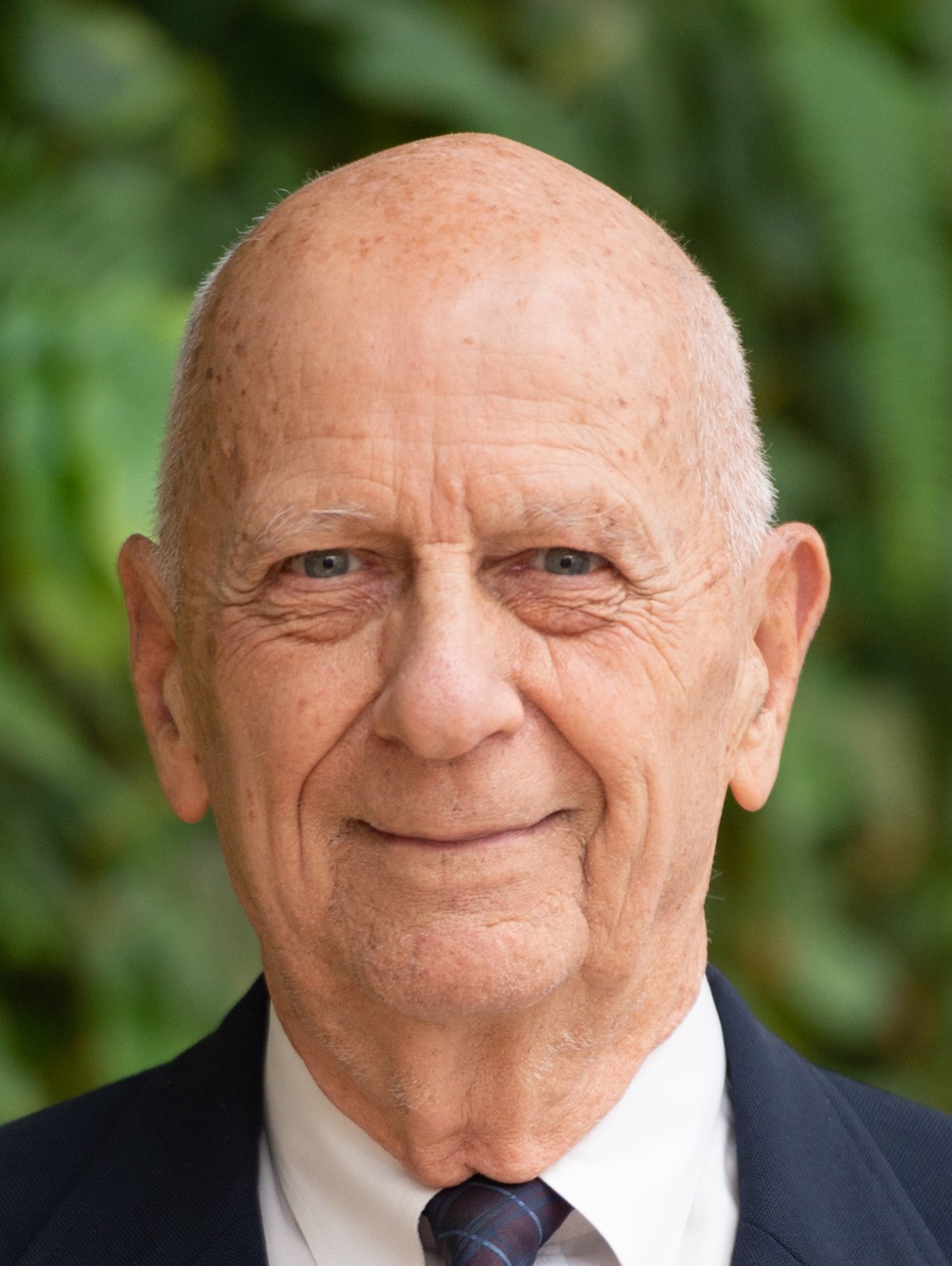
Prof. David Nagel
Research Professor of the Department of Electrical and Computer Engineering, Washington University.One of the most succesful communicators in the LENR community. Author of many informative articles reaching wide audiences. Received the Preparata medal in 2024 for his LENR merits. Nagel's work has focused on the intersection of LENR with nanometer-scale science and technology, emphasizing the importance of using modern experimental tools like AI to probe the conditions and mechanisms of LENR. His efforts have helped to establish a strong experimental basis for LENR, demonstrating the production of excess energy and the potential for clean energy applications. Additionally, Nagel has been a key figure in advocating for the use of advanced diagnostic techniques to improve the reproducibility and understanding of LENR experiments.